Presented by
Natasha Simon
Visit Site
One reason some homes feel especially memorable is that they make everyday life easier. A tucked-away workspace, a smarter mudroom, or a room that shifts roles through the day can make a home feel more valuable without adding square footage. In a season where more households want their homes to support remote work, hobbies, homework, guests, and storage at the same time, flexibility has become one of the most persuasive forms of function.
That makes this article useful for two audiences at once. Homeowners can borrow the ideas to improve the house they already have, and buyers can learn how to evaluate a room for its real potential instead of its listing label. A good flex space is not just extra. It is proof that the house can keep up with life as it changes.
This feature looks at the anatomy of hardworking spaces: the storage that keeps them calm, the light and layout cues that let them change modes, and the questions buyers should ask before they assume a room will be as useful as it looks.
Flexibility is its own luxury
Readers do not always need a bigger house. They often need a better plan for the house they already have. A dining nook can become a work zone, a loft can split into homework and movie space, and a spare room can support guests without losing daily usefulness. When square footage is expensive, the ability to adapt becomes deeply valuable.
That is why flexibility reads as luxury now. It represents breathing room. A home that offers choices feels more forgiving, more intelligent, and more resilient to change. People can imagine careers shifting, children growing, or routines evolving without immediately outgrowing the property.
Design for transitions, not just tasks
The most effective multi-use rooms support how life changes over the course of a day. Morning work, afternoon school, evening storage, and occasional guests all ask different things from the same square footage. A room becomes more useful when it can transition cleanly rather than trying to hold every function open at once.
This is where furniture, lighting, and storage have to cooperate. A desk that closes visually, a cabinet that swallows supplies, and a chair that can move between work mode and conversation mode all give the room range. The room does not need to pretend to be permanent. It needs to reset gracefully.
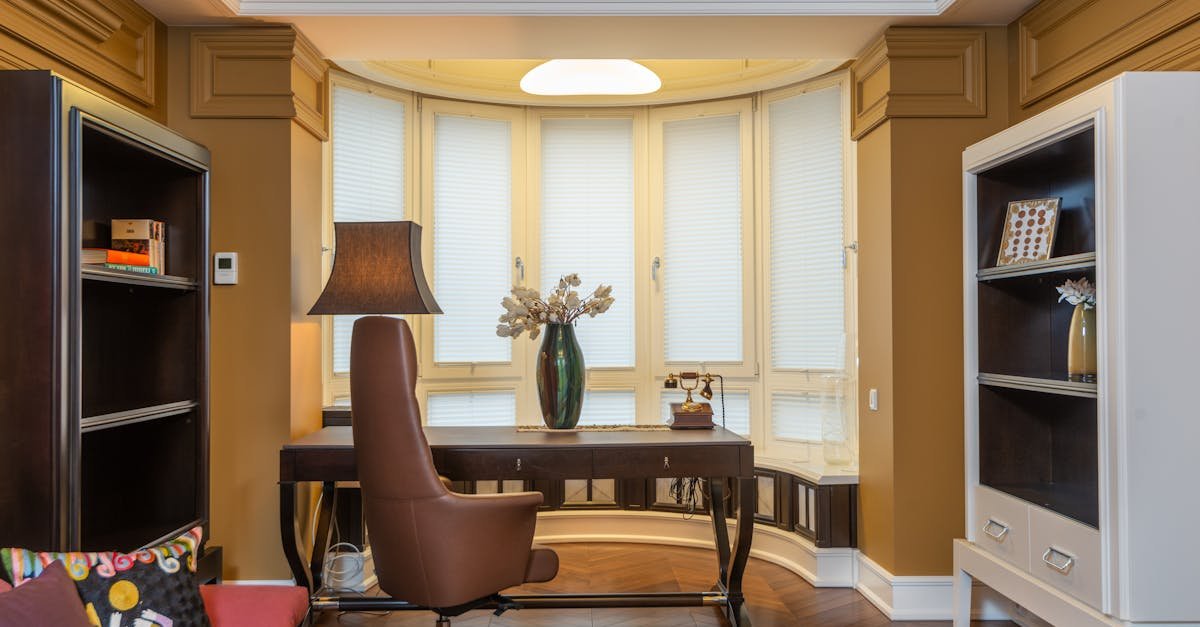
What makes a room work harder
- Closed storage so the room can shift modes without visible clutter.
- One main work surface that handles laptop time, paperwork, or crafts.
- Lighting that supports both productivity and evening calm.
- A seating option that can move instead of locking the whole room in place.
- A reset routine so the room changes with the day instead of fighting it.
Build in storage before decoration
Flex rooms fail fastest when they are asked to absorb too many categories of stuff without a real storage plan. Office supplies, charging cords, craft materials, children's books, guest linens, and fitness gear can all end up in the same room, and without boundaries the space starts feeling cluttered almost immediately. Closed storage is what lets a room change identity from work zone to guest zone to family spillover without broadcasting the stress of all those overlapping uses.
This is why the most effective multi-use spaces often feel visually spare. They are not empty; they are edited. Baskets, cabinets, built-ins, rolling carts, and furniture with hidden storage allow the room to hold more than it shows. That hidden capacity is what keeps the room emotionally usable. People relax faster in a room that is ready to reset.
Use light and sightlines to separate modes
Not every space needs a wall to feel distinct. Sometimes a shift in lighting, rug placement, furniture angle, or line of sight is enough to tell the brain that one zone is for focus and another is for recovery. This is especially useful in lofts, bonus rooms, and open secondary bedrooms where one area may need to support work while another supports storage or occasional guests.
Natural light matters here too. If a room has one bright window wall, think carefully about which function deserves that advantage. A work surface often benefits from the best light, while storage can live comfortably in the quieter edge of the room. The more deliberately each zone uses the room's natural strengths, the more expensive and thoughtful the space feels.
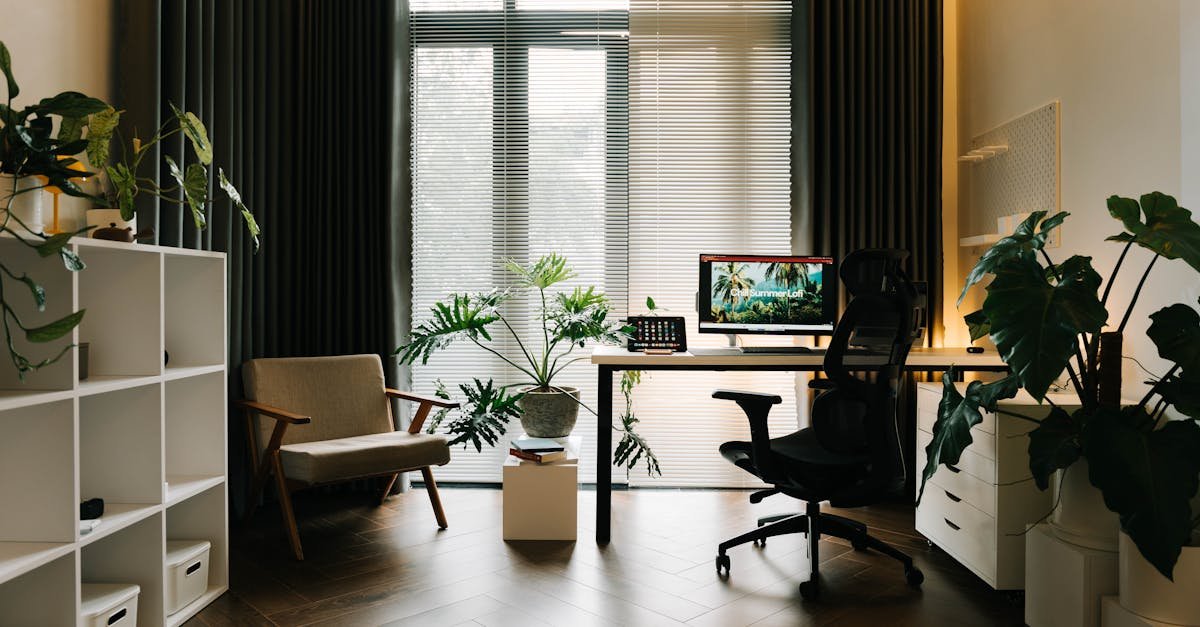
How to test a flex room before you buy
- Name the top three ways you would really use the room in a normal week.
- Check whether the outlets, light, and wall space support those uses.
- Picture where storage would go before deciding the room is “big enough.”
- Ask whether the room can feel finished even when it changes purpose often.
Test the room on a weekday, not just a weekend
Buyers are often tempted to imagine a flex room at its best instead of at its busiest. A smarter evaluation asks weekday questions. Where would backpacks land? Where would a laptop charge? Could a guest stay there without the room becoming unusable for everyone else? Is there enough privacy for a call, enough storage for the room's second life, and enough visual calm to keep it from becoming the dumping ground of the house?
That line of thinking gives buyers a competitive advantage because it focuses on livability rather than labels. A room described as a study, playroom, or bonus room may or may not actually support those functions. When buyers learn to test adaptability, they make better decisions and feel more confident about the homes they choose to pursue.
Hardworking rooms create trust
This is where the editorial voice and real estate relevance line up naturally. Buyers remember homes that support the way they actually live, not just the way a floor plan reads on paper. Flexibility turns into confidence fast. A home that offers one or two especially smart rooms can feel dramatically more valuable because it reduces the need for compromise.
For homeowners, the takeaway is just as helpful. Before wishing for more square footage, ask more of the square footage you already have. A room that stores better, resets faster, and handles transitions more gracefully can change the experience of the entire home.
In many ways, adaptable rooms are where modern housing proves its intelligence. They show whether the house can respond to shifting seasons of life with grace instead of forcing people into constant workaround mode. A room that can be productive at 10 a.m., calm at 7 p.m., and guest-ready by the weekend creates a level of trust in the home that buyers feel immediately.
That trust is valuable because it reduces the sense of compromise. Instead of asking a buyer to choose between beauty and usefulness, the room begins to offer both. For a lifestyle-driven issue, that is exactly the point: the best homes are not merely attractive settings. They are practical partners in the life a reader is trying to build.
There is also a confidence boost that comes from knowing a room has somewhere to go next. A nursery can become an office, a loft can become a study zone, and a guest room can hold hobbies between visits without losing dignity. That kind of flexibility gives owners breathing room, which often matters more than one extra finished square footage statistic.
For buyers, learning to recognize that potential is a meaningful edge. It helps them choose homes that will keep serving them after routines shift, children grow, or work patterns change again. A hardworking room is not just a bonus. It is evidence that the house can keep up with real life.
That perspective is useful long after move-in too. Homeowners who learn to design for transitions rather than fixed labels often discover untapped value in rooms they already have. A better storage wall, a movable table, or a more intentional lighting plan can unlock entirely new uses without any added square footage at all.
Ultimately, this is why flexible space belongs in a lifestyle issue and not only in a listing sheet. It shapes how people work, rest, host, and grow. When a room can do that gracefully, it becomes one of the clearest signs that a home is ready for real life rather than just ready for viewing.
That readiness is increasingly what buyers are shopping for: not just rooms with labels, but rooms with lasting usefulness.
And once a buyer sees that usefulness clearly, the whole property tends to feel more valuable and more convincing.
It is the difference between a room that looks good on paper and one that keeps earning its place year after year.
That is a quiet but powerful promise, and buyers tend to feel it immediately.
A room that adapts well reassures people that the house can adapt with them, which is one of the strongest forms of value a floor plan can offer.