Presented by
Natasha Simon
Visit Site
The best backyards in Texas are not always the biggest. They are the ones that understand what they are for: a dinner spot that catches the evening breeze, a shaded corner for morning coffee, a place for kids to spill outside, or a flexible lounge that can hold family time without feeling overdesigned.
That matters because a backyard is not just extra square footage. In Texas, it often becomes a second living room for half the year. When it is planned thoughtfully, the yard carries some of the emotional weight of the home. It becomes where the gathering starts, where people linger after dinner, and where buyers begin to picture their own routines outdoors.
This feature looks at the backyard as a real lifestyle asset: one that needs zoning, comfort, shade, and atmosphere to feel inviting instead of underused.
Think in zones, not square feet
Even a modest yard feels more generous when it has a clear seating zone, one practical path, and a little visual separation between dining, lounging, and play. The goal is not to add more. It is to help each area do one job well. A single pergola, a change in flooring, or a row of planters can make a backyard read as intentionally layered rather than one open field of furniture.
Zone thinking also helps families use the space more often. If someone can read in one corner while kids move in another and dinner plates land somewhere practical, the backyard begins to support multiple kinds of real life at once.
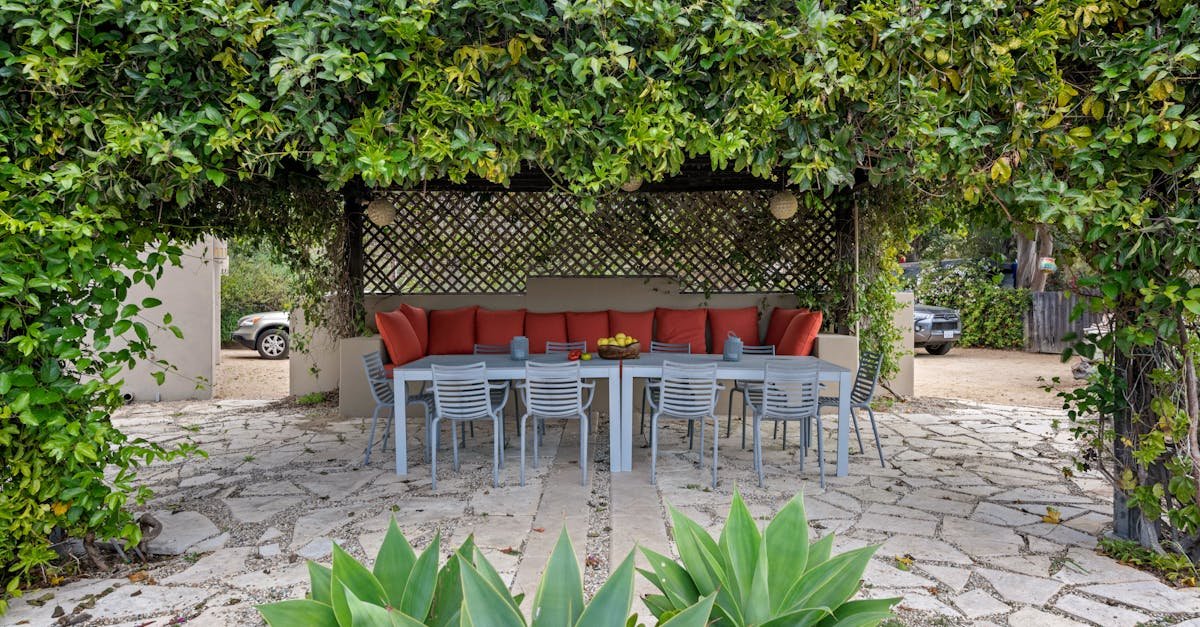
What Every Linger-Longer Backyard Needs
- At least one covered or shaded seating area that still feels open to light and air.
- A dining or serving surface that makes snacks, coffee, or full meals easy to set down.
- Lighting that supports both dinner and a slower wind-down later in the evening.
- Comfort underfoot, whether that is decking, pavers, gravel, turf, or a rug that can handle the weather.
- Storage close enough that cushions, games, and throws actually get put away instead of abandoned.
Design for the hottest hour of the day
Shade, airflow, and surfaces that do not punish bare feet are the real luxury items in a Texas backyard. If a space works at 4 p.m. in the heat, it will feel especially good for the rest of the day. That is why pergolas, covered patios, ceiling fans, umbrellas, and planting choices matter so much more than decorative extras alone.
Comfort does not have to mean complication. Sometimes the smartest backyard upgrade is simply moving the seating to the better side of the yard, adding one fan, or making sure a serving surface is close enough that people are not balancing plates on their knees.
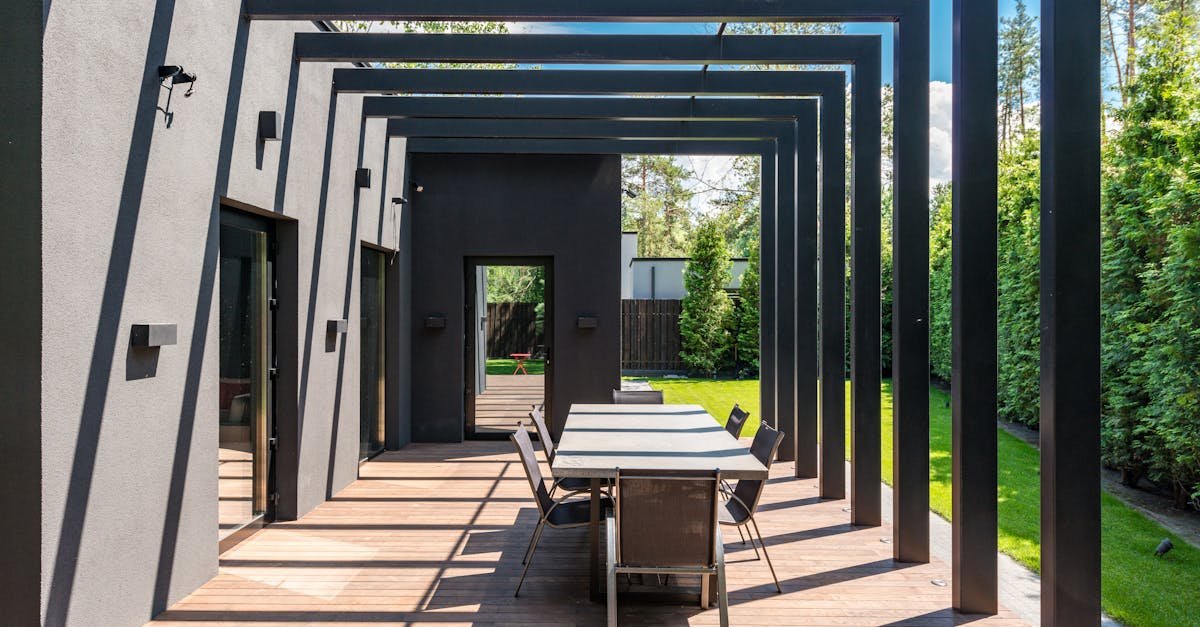
Set Up a Backyard People Actually Use
- Place the main seating where conversation works naturally without shouting across the yard.
- Anchor the dining or snack zone close enough to the house that serving still feels easy.
- Use a planter, bench, or rug to define each area instead of forcing one giant matching set.
- Add one flexible chair or stool for guests so the yard adapts as the group changes.
- Finish with lighting before sunset so the backyard still feels intentional after dark.
Make shade part of the architecture
In Texas, shade is not an accessory. It is structure. The backyards that get used the most are often the ones that treat shade like a design principle from the beginning instead of a temporary patch added after people realize the space is too hot to enjoy. That might mean a covered patio, a pergola layered with climbing plants, a set of umbrellas positioned for the late afternoon sun, or trees that create a softer edge over time.
When shade is planned intentionally, the yard becomes more versatile immediately. Parents can supervise play without squinting through glare. Guests can stay outside during dinner instead of retreating indoors too early. Morning coffee can happen without feeling exposed. Perhaps most importantly, the backyard begins to feel like a continuation of the house rather than an area you only visit in ideal weather. That sense of continuity is what turns outside square footage into lived-in value.
Give the yard a reason to glow after sunset
Many backyards look promising in daylight and then disappear emotionally at night. Once the sun drops, the seating feels disconnected, the steps are hard to read, and the whole space loses the mood that made it appealing in the first place. The solution is not more brightness. It is better layers. A dining pendant, a string of warm lights, low path lighting, or the glow of a fire feature can all help the backyard keep its identity after dark.
This matters because evening is when a linger-worthy yard earns its name. People stay outside longer when they feel held by the space. Good lighting tells them where to gather, where to move, and where the conversation should settle. It also helps the yard photograph better, which matters for homeowners thinking ahead to resale. Buyers remember exteriors that feel atmospheric and usable, not just technically landscaped.
Plan for cleanup before you plan for entertaining
One of the smartest backyard design habits is planning for the reset before you plan the party. Cushions need a place to go. Children's toys need a quick hideaway. Grill tools, citronella, matches, and serving trays all need a logical home if the space is going to stay enjoyable instead of turning into another maintenance burden. The easier the cleanup, the more often people will say yes to using the yard in the first place.
That is a big reason some outdoor spaces stay aspirational while others become beloved. The beloved ones are not merely beautiful. They are recoverable. Homeowners can host, relax, or let the afternoon unfold without dreading what the yard will look like afterward. When the backyard can return to order in a few low-effort moves, it feels generous enough to support real life again and again.
Build atmosphere, not just furniture layouts
The backyards readers remember are the ones that create mood. String lights, firelight, layered greenery, and the sound of a fan or water feature can shift the entire emotional read of a space. The point is not to make it theatrical. It is to make people want to stay for another half hour.
This is where editorial value and real estate value overlap beautifully. Buyers remember homes that make it easy to picture their real life. A backyard that feels relaxed, shaded, and socially useful is often the moment that makes the rest of the home click.
That is why a linger-worthy yard matters. It turns the house outward. It suggests a slower, more connected rhythm of living, and it gives the home an extra layer of generosity that people can feel immediately.
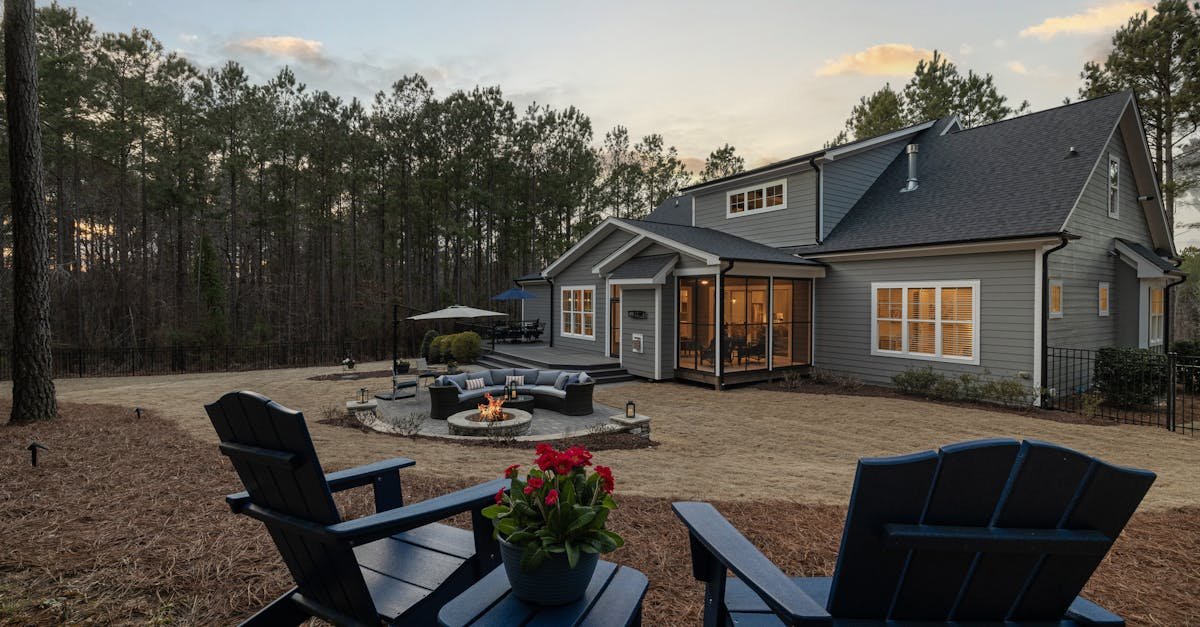
A backyard that works well changes more than weekends. It gives the household another place to recover from the day, another place for conversation to keep going, and another place where children or guests can move naturally without the house feeling overcrowded. In climates like Texas, that extra breathing room can become one of the home's greatest lifestyle advantages.
It also reminds readers that the best outdoor spaces are rarely the most elaborate. They are the ones that feel intuitively comfortable and easy to maintain. When the shade is right, the lighting is warm, and the layout lets people settle in without effort, the backyard becomes part of the memory of the home. That kind of emotional usefulness is what keeps outdoor living from reading as a luxury feature and turns it into a meaningful part of everyday life.
That is why even incremental backyard improvements can have such a large effect. A better fan, a clearer dining corner, or one stronger source of evening light can lengthen the life of the space dramatically. Readers do not need perfection to get more out of their yard. They need enough comfort and clarity that stepping outside starts feeling like the easy answer instead of the effortful one.
Seen that way, the backyard becomes more than a feature. It becomes a rhythm-setting room for the whole property, one that invites slower dinners, more fresh air, and a little more connected time than the indoors alone can usually hold.
That is a compelling promise for any reader: not just a prettier yard, but a home that knows how to breathe a little wider at the end of the day.
When that happens, the yard stops feeling optional and starts feeling essential to the way the home is enjoyed.
It begins to feel like a daily refuge rather than a weekend project waiting for attention.
That kind of dependable ease is exactly what turns outdoor space into a genuine lifestyle advantage instead of a feature people only admire from the window.
It becomes part of the home's real rhythm, not just its sales pitch.