Presented by
Natasha Simon
Visit Site
Sometimes the smartest home updates are the ones people feel before they can name them. Fresh paint on the right surface, a cleaned-up path, and a more intentional entry can create momentum long before a visitor steps inside. In a market where buyers often make emotional decisions early, curb appeal is not decoration at the edge of the house. It is the beginning of the story the property tells.
That story matters whether a homeowner is preparing to sell soon or simply wants to enjoy the house more fully now. A strong exterior introduction can make the whole property feel calmer, more valuable, and better cared for. The key is focusing on the touchpoints people actually read: the approach, the entry, the lighting, the landscaping frame, and the visual clarity of the first view from the street.
This article treats curb appeal as a sequence of readable moves rather than a long renovation list. When the first impression feels deliberate, the entire home starts with more confidence.
Correct the first five feet
The front door zone does a surprising amount of emotional work. If the hardware feels tired, the mat is too small, and the walkway looks forgotten, even a beautiful interior starts on the defensive. People read care from details. A sturdy handle set, a clean sweep at the threshold, and one intentional piece of decor or planting can shift the whole emotional temperature of arrival.
This is why sellers often get the biggest lift from the smallest entry changes. The buyer has not yet started comparing room sizes or closet storage. They are simply deciding whether the home feels welcoming, maintained, and worth discovering. The first five feet tell them a remarkable amount.
Choose contrast on purpose
Curb appeal does not come from adding more detail everywhere. It comes from helping the eye know where to rest: a door color that feels chosen, trim that looks crisp, and landscaping that frames instead of overwhelms. Contrast gives the house legibility. It helps windows, rooflines, and the entry read as coherent instead of visually noisy.
For homeowners, this usually means editing before adding. Remove the faded wreath. Replace the undersized planter. Simplify the porch furniture. Freshen only the surfaces that truly need it. Good contrast often looks quieter, not busier, because it lets the architecture do more of the work.

High-return exterior touchups
- Refresh the front door and hardware before taking on larger paint projects.
- Replace a too-small mat with one that fits the width of the entry.
- Trim landscaping so windows, paths, and house numbers read clearly.
- Upgrade lighting where visitors approach the house after dark.
- Remove visual clutter from porches, side yards, and driveway edges.
Let landscaping support the architecture
Landscaping earns its keep when it helps the house read better. That means shrubs trimmed to reveal windows, a planting bed that softens the foundation without swallowing it, and seasonal color used as a highlight rather than as visual noise. The goal is to frame the home, not compete with it. A good exterior approach feels clear enough that a visitor immediately understands where to look and where to walk.
This is especially useful for homes with strong regional character. Brick, painted siding, stone, and ranch-style rooflines all benefit from plantings that echo the structure rather than obscure it. A few well-shaped foundation plants, a pair of entry planters, and a cleaner edge along the path can make the house feel taller, brighter, and more expensive without touching the floor plan.
Improve lighting where people actually arrive
Lighting is one of the most overlooked curb appeal upgrades because homeowners often think of it only in terms of safety. Safety matters, but mood matters too. The right sconce, porch lantern, or path light helps the home stay welcoming after sunset. It also improves photographs, which is crucial for listings where the first encounter happens on a screen.
Walk the property at dusk and ask a simple question: does the arrival feel inviting, or merely visible? There is a big difference. Inviting light gives shape to the porch, clarifies the steps, and warms the face of the house. When buyers or guests can imagine arriving home comfortably at the end of the day, the property starts to feel more emotionally complete.
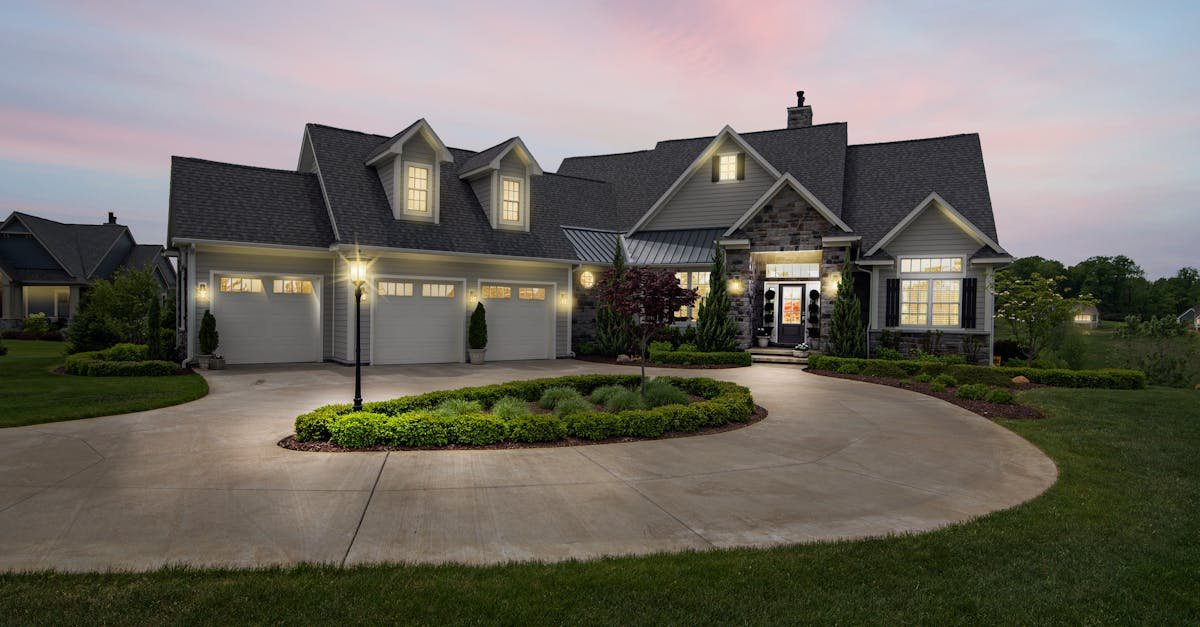
A seller-prep curb appeal sweep
- Stand at the curb and photograph the home before you start so you can see what buyers see.
- Clean the path, pressure-wash where needed, and simplify anything overly busy.
- Make one intentional focal point at the door with color, planters, or lighting.
- Walk the arrival path again at sunset to check how the house reads in softer light.
Edit the driveway, porch, and side yard together
One reason curb appeal projects stall is that homeowners focus so tightly on the front door that they forget the rest of the approach is part of the same experience. The driveway edge, the side-yard glimpse, the garage door, and the porch all speak at once. If one area feels cleaned up and another still feels neglected, the exterior message gets diluted. A modest but whole-property edit usually works better than one over-improved moment surrounded by visual distraction.
This does not require expensive changes. It can mean pressure-washing the driveway, hiding bins, tightening hose storage, removing dead planters, or repainting one side gate so the home feels consistently maintained. Buyers rarely praise these details out loud, but they absolutely feel the effect. The house starts to read as easier to trust.
Think of curb appeal as emotional preparation
This feature speaks directly to homeowners who care about value, whether they are preparing to sell or simply trying to enjoy the house they already have more fully. Often the difference between ordinary and memorable is just a cleaner introduction. A well-composed exterior helps the rest of the property begin in the right emotional register: calm, welcoming, and worth paying attention to.
That is why curb appeal remains one of the most efficient homeowner conversations in real estate. It is a place where good design, practical maintenance, and market readiness overlap. The updates may be small, but the message is large: this home has been noticed, cared for, and prepared to make a strong first impression.
Well-handled curb appeal also gives homeowners a useful discipline: it teaches them to see the property as a visitor would. That outside-in perspective often reveals which projects truly matter and which ones can wait. Instead of pouring energy into invisible upgrades first, owners can invest where confidence begins, which is almost always at the point of arrival.
For readers preparing for a sale, that mindset can be especially profitable. For readers staying put, it can simply make the home feel better every time they pull into the drive. Either way, the lesson is the same: small exterior decisions shape the emotional quality of living with the house, not just the marketing of it.
That outside-in perspective can also sharpen renovation priorities. Once a homeowner sees which details are truly carrying the first impression, it becomes easier to spend money wisely. The best curb appeal moves are often the ones that clarify the home's personality, make the entry feel cared for, and signal maintenance without requiring a sweeping transformation. They build trust in the property one visible cue at a time.
For agents, that makes curb appeal one of the most practical conversations to lead. It is visual, accessible, and tied directly to buyer emotion. For homeowners, it is empowering because it offers meaningful improvement without demanding a full redesign. In both cases, the lesson is durable: better arrival changes how the whole home is received.
There is a confidence that comes from a house looking settled into itself. When the path is clean, the lighting feels chosen, and the entry reads clearly from the street, the property begins with authority. Buyers and guests alike assume the inside may be just as considered, which is why curb appeal has such outsized influence relative to its cost.
For that reason, the smartest exterior improvements are often the ones that remove hesitation. They help people arrive without second-guessing the condition of the home, the care of the owner, or the coherence of the design. In market terms, that is an advantage. In everyday-life terms, it is simply more satisfying to come home to.
That combination of market logic and daily pleasure is what makes curb appeal so durable as a homeowner investment. It works on the day of the showing, but it also works every day before then.
The house feels more believable, more cared for, and more ready to welcome someone in.
That simple emotional shift is often what separates an ordinary exterior from one people remember.
And because those signals are visible from the very first glance, they can influence perception faster than almost any other home improvement category.