Presented by
Natasha Simon
Visit Site
A polished kitchen is nice to look at, but a kitchen with dependable routines changes the mood of the whole week. The rooms that work best are not always the biggest or most expensive. They are the ones that remove friction from breakfast, lunch packing, after-school hunger, late returns from work, and the last ten minutes before bed when everyone is tired and the counters start collecting clutter.
That is why kitchen routines are worth treating like design decisions. When the right tools live in the right places, when prep space stays visible, and when the next good choice is easy to see, the room stops feeling reactive. It starts feeling supportive.
This feature is built around one simple idea: the kitchen should not just impress guests. It should make ordinary days easier to repeat.
Why kitchen routines break down
Most kitchens get overwhelmed because too many jobs are fighting for the same few surfaces. Coffee prep, snack access, lunch packing, incoming mail, grocery overflow, and after-dinner cleanup all land on the counter at once. The room feels busy not because the family is doing something wrong, but because the kitchen is not clearly telling people where each task belongs.
The fix is rarely a renovation. It is usually a sequence problem. Once the room is divided into small repeatable zones, routines start sticking because they ask for less decision-making in the moment.
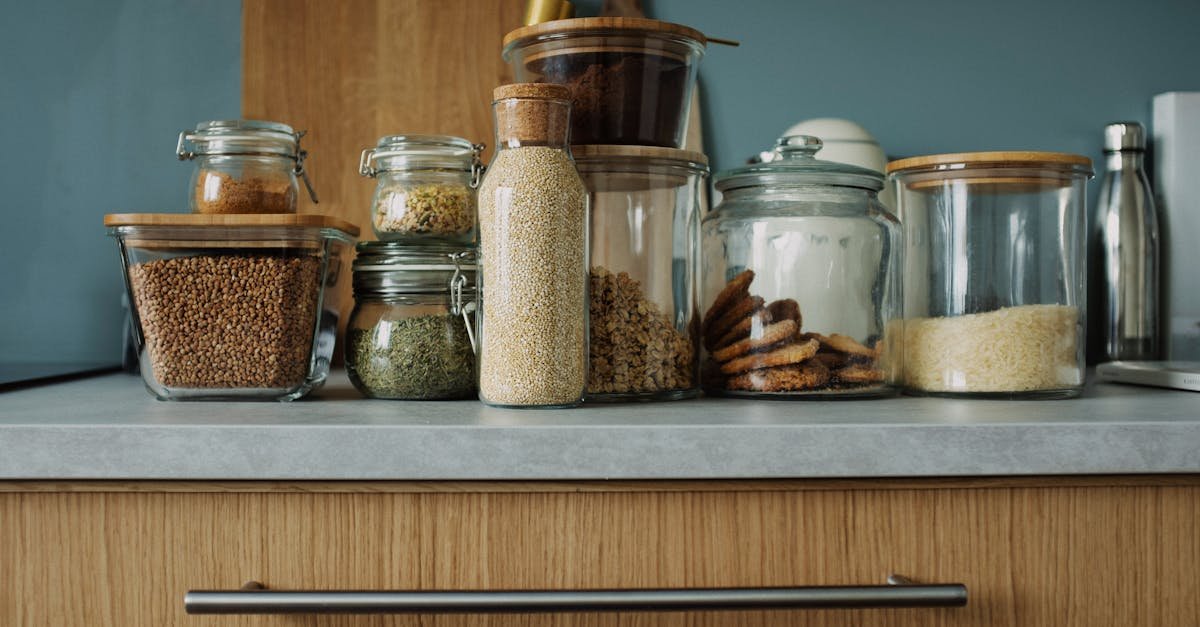
The Kitchen Zones That Save the Most Time
- A breakfast station that keeps mugs, coffee tools, and quick morning foods in one predictable corner.
- A landing strip for keys, papers, chargers, and bags so non-kitchen clutter does not spread across prep space.
- A grab-and-go zone for water bottles, fruit, snacks, and lunch-box fillers that kids or guests can navigate easily.
- One dedicated prep counter that stays as clear as possible through the week.
- A reset basket or tray for the strays that always end up near the sink.
Give every daily task a home
When the coffee tools, lunch supplies, and paper clutter are all competing for the same counter, the room starts to feel stressful fast. Small, well-defined zones do more for peace of mind than another decorative object ever will. A good kitchen makes each repeated task slightly easier until the whole week feels smoother.
That same logic applies to visibility. If produce is hidden, leftovers disappear, or containers are stacked in a way that makes them annoying to reach, the kitchen quietly encourages waste and impulse. Good routine design is often just good sequencing made visible.
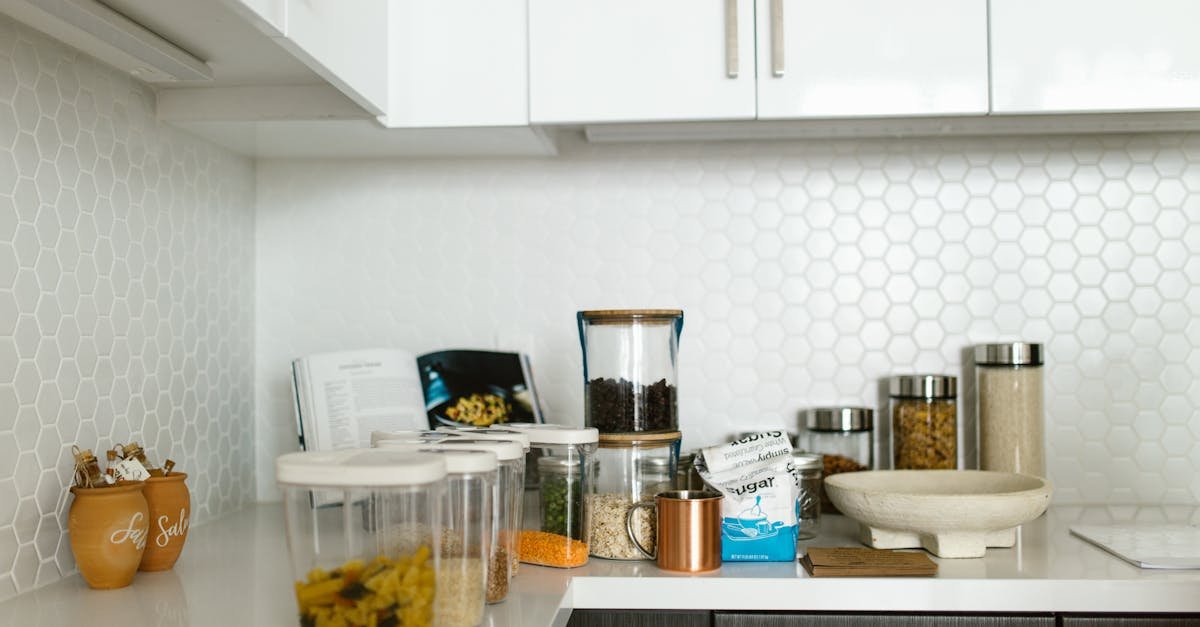
A 30-Minute Kitchen Reset That Pays Off All Week
- Clear and wipe the one counter you most want to protect during the week.
- Prep two easy proteins and one washed produce option so good choices are already halfway done.
- Refill the staples that keep mornings moving, such as fruit, yogurt, sparkling water, or lunch-box snacks.
- Reset the sink and dishwasher before bed so the kitchen begins the next morning open instead of crowded.
- Put one small visual cue in place, like a bowl of fruit or lined-up bottles, to make the next healthy habit obvious.
Plan for the after-school hour
Many kitchens feel their most chaotic between the late afternoon and dinner, when snacks, homework questions, grocery bags, and adult fatigue all converge at once. A kitchen routine that works in Texas has to account for that hour honestly. It needs an accessible snack zone, a predictable landing place for papers and bags, and at least one clear signal about what is available now versus what is being saved for later in the evening.
Readers who plan for this moment tend to see an outsized payoff. A bowl of washed fruit, a bin of quick proteins, water bottles already filled, and a place to drop keys or mail can prevent the whole room from becoming reactive. The goal is not to create a perfect scene. It is to reduce the number of negotiations the kitchen has to absorb when everyone walks in at once. That is what makes the room feel calmer and more capable under real pressure.
Reduce visual noise so prep space stays open
There is a direct line between visual noise and mental friction. When counters are crowded with appliances, decorative objects, stacks of paper, and containers that do not belong to any routine, the kitchen starts to feel like it is resisting the people who use it. This is why the best kitchen routines are often as much about editing as they are about organizing. Every item that earns permanent space should make a repeated task easier, not simply occupy the room.
That editorial point matters because many readers assume their kitchen stress is a storage problem. Often it is an attention problem. The eye lands on too many things at once, which makes prep feel harder than it really is. Creating one clean prep surface, one calm coffee corner, and one dependable place for the week's most-used containers can transform the whole room. Once the kitchen looks readable, it becomes easier to keep it functional.
Design a weekend ritual that keeps the kitchen honest
The smartest kitchen systems survive because they are refreshed in small, regular ways. A Saturday morning produce wash, a Sunday evening lunch-box refill, or a midweek fridge sweep keeps the room aligned with the life happening around it. Without a ritual like that, even a well-organized kitchen slowly drifts back into guesswork. Shelves get crowded, leftovers disappear, and the easiest choice starts being takeout because the room no longer feels ready to help.
A good weekend ritual does not have to be elaborate. It can be as simple as choosing two proteins, one easy breakfast option, a visual snack tray, and one cleanup rule the whole household understands. The larger point is confidence. When readers can trust their kitchen to support the week ahead, the room stops feeling like a place they constantly have to rescue. It becomes the kind of steady, useful backdrop that makes daily life feel lighter.
Make the next good choice obvious
If fruit is visible, water bottles are filled, and the containers you actually use are easy to grab, better routines become easier to repeat. That is the quiet genius of a supportive kitchen: it reduces the number of choices people have to make when they are already tired or in a hurry.
It also changes how the room feels. A kitchen with dependable routines reads as generous because it has room for real life. It can handle a weeknight dinner, a holiday baking session, or a friend leaning on the counter while the meal comes together. The space looks better, but more importantly, it works harder.
That is part of what makes kitchens memorable in the market too. Buyers respond to rooms that feel ready to support daily life, not just staged for listing photos.
The kitchen earns its importance because it is where so many household promises either hold or collapse. It is where mornings become manageable, where guests decide whether to linger, and where the family's healthiest intentions are either supported or quietly undermined by clutter and friction. A kitchen with dependable routines gives back more than efficiency. It gives back emotional steadiness.
That is why this room continues to matter so much in the market. Buyers are not simply falling in love with finishes. They are imagining whether the room will carry the weight of ordinary life gracefully. When a kitchen suggests that school mornings, weeknight dinners, and weekend prep will all feel just a little easier, it becomes memorable in a deeper way. It promises support, and that promise is powerful.
For homeowners already in place, this is good news. The room does not have to be fully remodeled to become more supportive. A few better zones, a more visible set of healthy defaults, and one dependable reset ritual can change how the whole household relates to the kitchen. That is the deeper promise behind routine design: less friction, more confidence, and a room that feels ready to help again tomorrow.
Once readers start seeing the kitchen as habit architecture instead of just cabinetry, better decisions get easier. They begin to ask what the room encourages, what it interrupts, and which choices it makes effortless. That shift in perspective is often what turns a nice kitchen into a truly hardworking one.
And because the kitchen is visited so often, even modest improvements echo loudly. A better routine here rarely stays contained to the room itself; it tends to improve the mood and timing of the entire household.
That is what makes kitchen systems so worth refining: they keep paying people back in tiny, daily ways that add up quickly.
Over time, those tiny gains compound into a kitchen that feels less like a source of friction and more like a quiet engine for the whole home.