Presented by
Natasha Simon
Visit Site
In Texas, a porch is rarely just a threshold. It is a climate-smart room without walls, a place where families swap stories after sunset, kids drift in and out with bare feet, and neighbors decide whether to stop for a quick hello before anyone even reaches the front door.
That cultural weight is part of what makes a strong porch article worth reading. A Texas porch is not just an architectural detail. It is a cue about pace, hospitality, and how a home expects to be lived in. When it is designed well, it turns the front of the house into a softer, more generous version of everyday life.
This feature looks at the Texas porch tradition through three lenses: the design elements that help a porch perform in a hot climate, the atmosphere that makes people want to stay longer, and the lifestyle habits that turn porch living into a real extension of the home.
The Texas Porch Tradition
Porches have always made practical sense across Texas architecture. Early farmhouses, bungalows, ranch homes, and Gulf Coast cottages all relied on shaded transition spaces to cool the approach to the house and create breathing room before stepping inside. Over time, that practical response to weather turned into a social habit of its own.
That is why a porch still reads as a social hub in Texas. It is where grandparents claim a rocking chair, where friends gather before dinner spills into the backyard, and where the rhythm of the street still feels visible. In a culture that values openness and welcome, the porch becomes a kind of public-facing living room.
Climate continues to shape every good decision there. The strongest porches respond to heat, storms, bright sun, and long evenings with shade, airflow, durable finishes, and enough scale to feel useful through more than one season of the year.
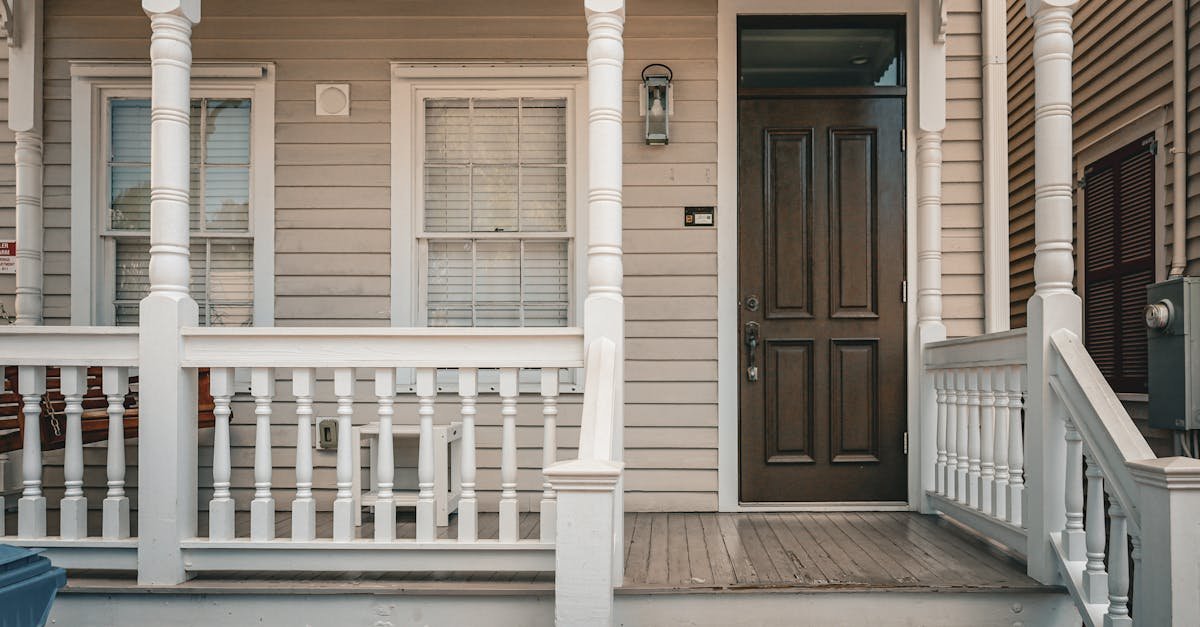
Design Elements That Define Texas Porches
- Size and scale that leave enough room for conversation, circulation, and an actual pause on the way in.
- Materials such as painted wood, stone, brick, and wrought iron that feel rooted in regional character.
- Flooring that can withstand heat, dust, and rain while still looking warm and intentional.
- Rooflines and ceiling treatments that deliver shade first and style second, rather than the other way around.
- Fans, lanterns, and layered lighting that keep the porch useful after sunset instead of shutting it down.
Creating a Welcoming Atmosphere
The most memorable porches are the ones that feel easy. They do not ask guests to admire them from a distance; they invite people to settle in. That usually starts with furniture that can handle real use: rocking chairs, a swing, deep-seated chairs with washable cushions, or a long bench that can flex with the size of the gathering.
Textiles matter too, but only when they earn their place. Weather-resistant fabrics, a striped lumbar pillow, or a faded outdoor rug can add softness without turning the porch into something precious. In Texas, the right palette often borrows from the landscape itself: sun-baked neutrals, terracotta, dusty blue, deep green, and black accents that ground the space.
Lighting is where the mood changes. A porch that feels flat in daylight can become magnetic at night with one lantern by the door, one ceiling fixture, and a warm secondary glow that reaches the seating zone. Plants finish the picture. Ferns, rosemary, native grasses, trailing vines, and oversize planters help the porch feel lived in instead of staged.
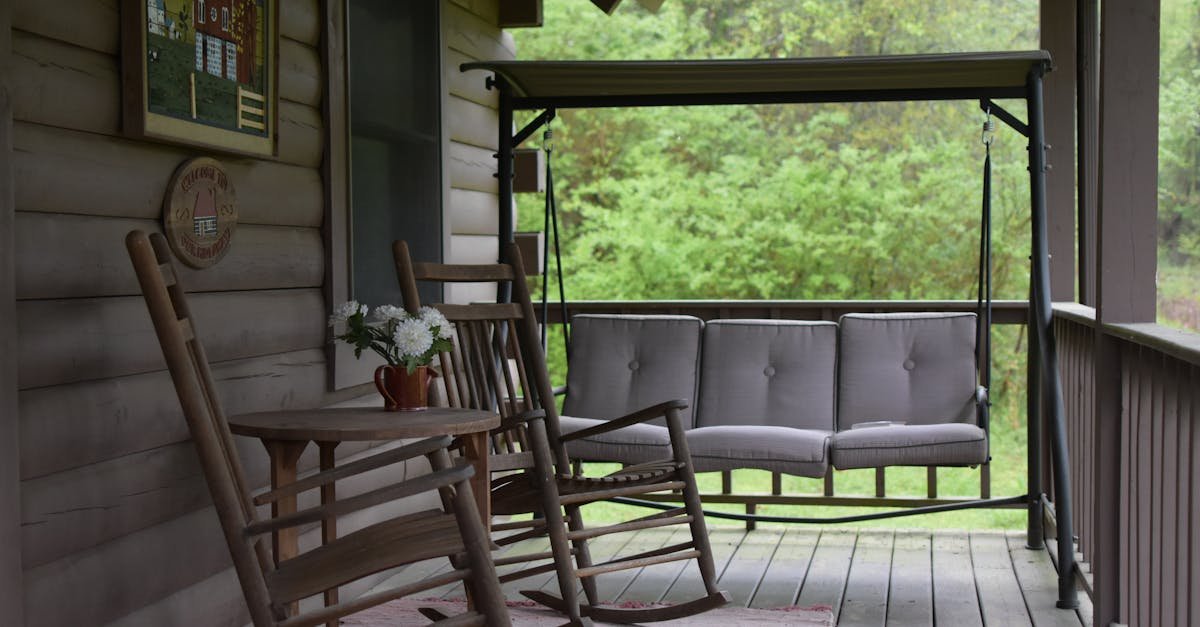
Functionality and Lifestyle Integration
- Decide what the porch needs to do most often: greet guests, hold coffee time, support work calls, or stretch into casual dining.
- Solve the heat first with fans, layered shade, and seating placement that avoids the harshest afternoon exposure.
- Add one flexible surface for drinks, plates, mail, or laptops so the porch can support more than one use case.
- Choose layouts that stay accessible for kids, older family members, and guests who need easy circulation.
- If space allows, connect the porch to outdoor cooking or serving so hospitality can move naturally between rooms.
Design for comfort before decoration
The easiest mistake to make with a porch is decorating it before solving it. In Texas, the true luxury is not the prettiest pillow or the most photogenic planter. It is the porch that still feels usable at noon, still feels welcoming after a summer storm, and still feels comfortable enough for someone to sit down without a second thought. That means thinking about airflow, shade direction, bug pressure, and the visual glare that can make even a beautiful porch feel exhausting.
Homeowners who get this right usually make a handful of quiet decisions first. They choose a fan that actually moves air instead of merely looking stylish. They consider where the western sun lands in late afternoon. They make sure a table is close enough to a chair to be useful, and they notice whether the porch feels exposed from the street or pleasantly open. These practical moves create emotional ease. Once the porch functions well, every decorative layer on top of it feels more convincing.
That is why good porch design often reads as effortless. The effort happened in the planning. The chairs are positioned to catch a breeze, the plants are hardy enough to survive the season, and the lighting does not force anyone to choose between ambiance and visibility. By the time a guest notices the mood, the comfort work has already been done.
Make the porch work at three times of day
A truly successful Texas porch changes character without losing usefulness. In the morning, it might be a coffee space with soft light and relative quiet before the rest of the house wakes up. In the late afternoon, it becomes a place to pause, cool down, or let kids move between indoors and out. At night, it can turn into a social room where conversation lingers because the light is warm, the seating is forgiving, and nobody feels rushed back inside.
Thinking in those dayparts helps readers imagine better improvements. A morning porch wants a small table, one dependable seat, and a bit of privacy. An afternoon porch needs shade and a place to set things down. A nighttime porch benefits from layered lighting, a flexible seating circle, and maybe one textile or throw that signals the evening is welcome. The magic is not in making the porch do everything all at once. It is in helping it perform gracefully across the moments that actually happen there.
For homeowners, this is encouraging news. The porch does not need a dramatic renovation to become more meaningful. It needs clearer intention. A better light source, a more comfortable chair, an outdoor rug that softens the space, or a stronger visual connection to the yard can all shift the experience. When those changes are chosen around daily life rather than decoration alone, the porch starts to feel like one of the most generous rooms the house has.
Porches as Extensions of Texan Hospitality
There is a reason porches feel emotionally important in Texas. They embody the warmth Texans are known for without saying a word. A porch signals that the home is ready for company, ready for conversation, and ready to make the first impression feel generous instead of guarded.
That matters for everyday life, but it matters in the market too. Buyers often respond to the feeling of arrival before they can articulate why. A porch that is shaded, furnished, and thoughtfully composed tells them that the house has been cared for and that the lifestyle inside might be just as welcoming.
Trends and Innovations in Texas Porch Design
Right now, the most interesting porch trends in Texas are less about excess and more about usefulness. Homeowners are blending traditional silhouettes with modern rail details, integrating outdoor speakers and smart lighting, screening spaces where bugs are a constant battle, and choosing sustainable materials that hold up without constant replacement.
The common thread is clarity: the porch should feel like a real room with a regional identity, not an afterthought filled with leftover furniture. When the design is thoughtful, porch living becomes one of the easiest ways to enjoy Texas climate and culture without leaving home.
If a reader wants a practical takeaway, it is this: start with comfort, then make the space welcoming enough that people linger. The porch has always been one of the places where Texas homes feel most generous and most alive.
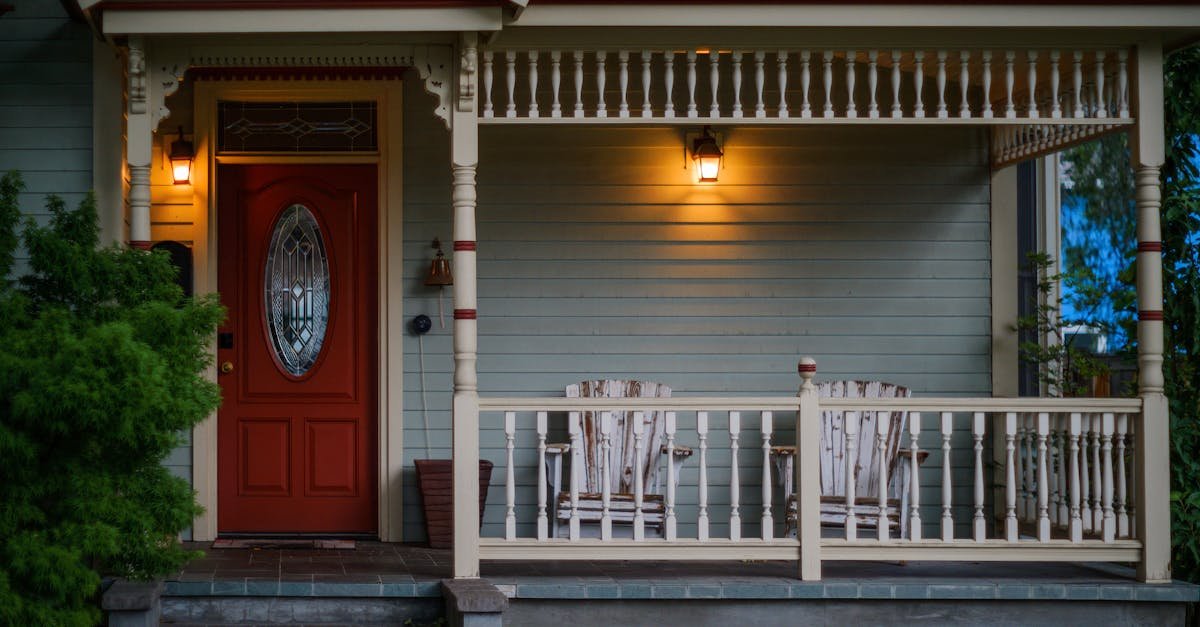
Another reason porches endure in Texas is that they make generosity visible. Even before a guest hears a welcome, the porch communicates what kind of experience the home values. A pair of chairs angled toward conversation, a place to set down a glass, or a planter that softens the entry all say the same thing: this home expects life to happen at the threshold, not only behind closed doors.
That idea has real staying power for homeowners and buyers alike. A porch does not have to be grand to matter. It has to feel usable, readable, and tied to the way the household actually wants to live. When it does, it becomes one of the easiest places for a home to feel distinctly Texan: open, social, and ready to hold a little more life than the floor plan alone might suggest.